Franklin Camargo was only six years old when he stood in a Florida grocery store and stared at the variety of Oreo cookies. In that moment, he says he began to understand that the U.S. was very different from his home country of Venezuela.
When a child “can tell the differences, the huge differences, when it comes to prosperity, happiness, [and] safety between a country and the other one, that’s the biggest sign that a system works and the other one simply doesn’t,” he told The Daily Signal in an interview.
After fleeing Venezuela’s socialist regime as a young man and moving to America, Camargo has spoken out against the Maduro regime.
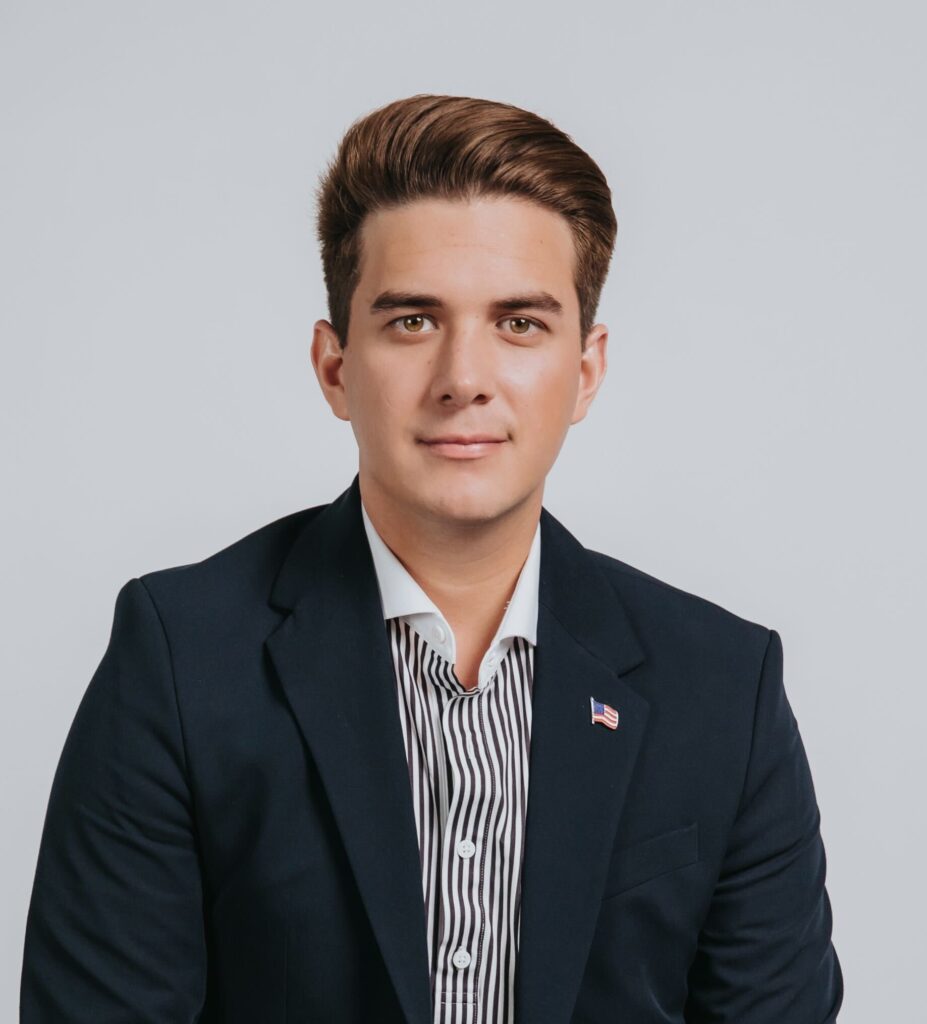
While Camargo says he, and many Venezuelans, are “extremely happy” to see the U.S. capture of Nicolás Maduro, calling it the “biggest happiness Venezuelans have had in more than two decades,” he says Venezuelans also understand that their country “isn’t free yet.”
Under the direction of President Donald Trump, the U.S. captured Maduro and his wife Cilia Flores in a military operation on Jan. 3 and brought them to New York City, where they are currently in custody. Maduro pled “not guilty” in a federal court Monday to multiple charges, including narco-terrorism.
Camargo, 28, was born in Venezuela to what he describes as a “strong middle-class family.” Hugo Chávez became president of Venezuela when Camargo was only a year old.
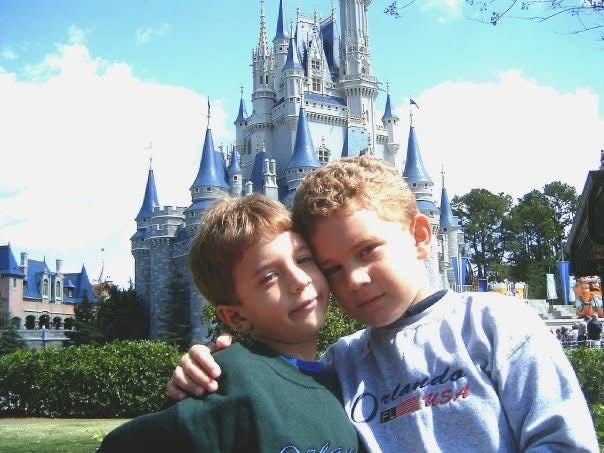
His family continued to work hard as the nation’s economy deteriorated, and when Camargo was six, his parents took him and his brother on a trip to Disney World in Orlando, Florida. It was on that trip to Florida that Camargo says he started to fall in love with America.
In time, Camargo says his family went from living comfortably to being concerned about having enough food to eat.
“We lost weight,” Camargo said, adding that his parents “stopped eating meat or protein so they could provide for my brother and for myself.”
Camargo’s parents were not politicians, but he grew up very aware of politics because “when politics is affecting your daily life, you start paying more attention,” he explained.
“When I was a teenager, I became a political activist,” he said, adding that he joined the political organization María Corina Machado, Venezuela’s opposition leader, headed at the time.
Watching his family struggle and his nation devolve under socialist leadership caused Camargo to get into “politics and to try to fight back, to try to do something.”
His willingness to speak out against the socialist regime ultimately led to his expulsion from medical school, and he was accused of being a terrorist. Fearing for his safety, Camargo fled Venezuela the U.S. in 2019 because he had a U.S. visa.
Also fearing for their safety, Camargo’s parents and his brother moved to America shortly after he did, but he still has family members living in his home country.
The current situation in Venezuela following Maduro’s capture is “difficult,” Camargo explains.
It is not uncommon for Venezuelan police or the National Guard to stop citizens to review their messages and social media posts, he says.
“And if they have posted something on social media in support of the capture of Maduro or against the regime, they could get arrested, easily,” he said.
The head of the regime has been removed, but the “mafia is still there,” Camargo says.
Delcy Rodriguez, the acting president of Venezuela who served as vice president under Maduro, and Diosdado Cabello, the nation’s interior minister, are two of the key members of Maduro’s “mafia,” according to Camargo.
Camargo says he thinks Trump has taken “the right path” in regards to the country’s future.
With Maduro in U.S. custody, Rodriguez is acting as the nation’s leader, and Trump says his administration is working with her to ensure stability in the nation.
“It’s not just about what we want, but what’s the best thing to do that is realistic,” Camargo said.
“If Maria Corina Machado, or any leader of the Venezuelan opposition, goes to Venezuela right now,” he said, “they’re going to get arrested, or even worse, they get tortured or even killed.”
“So, the question here is, how do we lead a political transition that is the most pragmatic and realistic?”
The answer, according to Camargo, is to “use those who are still in power, that I do not trust, but that you can basically tell them, ‘hey, you follow what I tell you to do, or you [will] pay the same price that Maduro paid.’”
Even if elections were held today, Camargo says they would not be fair because Maduro’s allies would benefit from the voting structure in place. He added that “radical Marxists” are threatening harm to those who openly oppose Maduro.
Change will not happen “in one day or in one week, or not even in one month,” according to Camargo, but will take time and continued consorted effort.