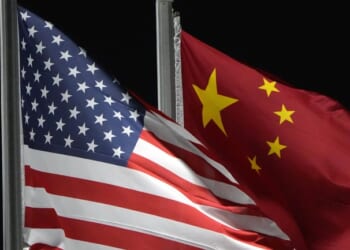
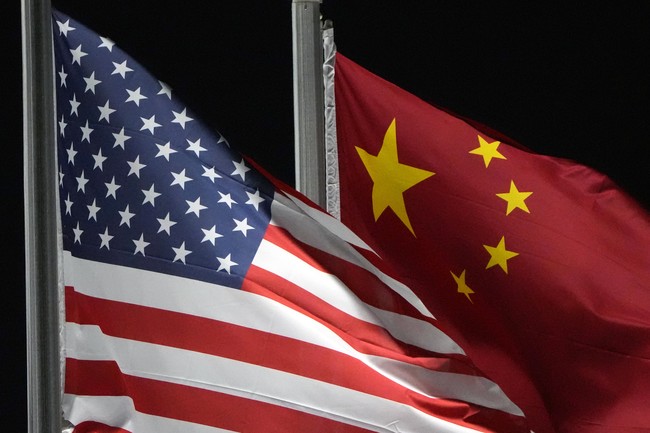
President Donald Trump’s decision to reset his summit with Chinese President Xi Jinping for May 14 and 15 in Beijing has been framed as a gamble in the middle of a war with Iran. It looks more like an attempt to turn that war into leverage with the one country that cannot ignore its costs.
Trump had been scheduled to travel to China in late March, but postponed the visit so he could remain in Washington as the United States and Israel wage a joint campaign against Iran. The White House is now moving ahead with the May dates even as the conflict continues and Washington presses Tehran to accept a cease-fire proposal. That timing makes critics nervous. It should not.
🚨 JUST IN: President Trump confirms he will travel to CHINA to meet President Xi on May 14th and 15th, after delaying the initial trip to carry out Operation Epic Fury
“My meeting with the Highly Respected President of China, President Xi Jinping, which was originally postponed… pic.twitter.com/Hsxkokoit1
— Eric Daugherty (@EricLDaugh) March 25, 2026
ALSO SEE: China Can Wait: Trump Wants to Delay Beijing Summit to Focus on Iran
THE ESSEX FILES: Trump Is Right to Demand China Share the Risk in the Strait of Hormuz
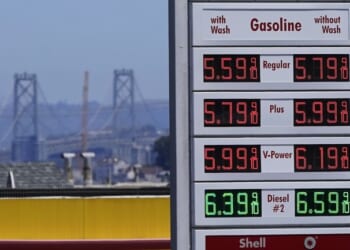
For weeks, the administration has described roughly a four to six week window for the Iran operation while insisting that the goal is to force Iran to change course, not to occupy it. The fighting has already disrupted shipping and driven up oil prices, and Tehran has made clear it sees energy markets as a weapon. China is heavily dependent on imported oil from the Gulf, while the United States today is a major producer. That basic fact gives Washington an opening that is strategic, not symbolic.
Donald Trump has postponed his trip to China.
He will meet with Xi Jinping.
The meeting will take place in Beijing on May 14–15, 2026.
The delay was due to U.S. military operations in Iran.#Geopolitics pic.twitter.com/EJdoWE59wC— Diplomatic Lens (@Diplomatic_C1F) March 25, 2026
“Only Nixon can go to China” became shorthand for a hardliner using his credibility to open a door to a rival. Trump is now testing his own version of that idea. He ran and governed as a skeptic of China’s rise and of the old bipartisan consensus on trade. That record gives him room to sit across from Xi at a moment of crisis and argue that Beijing does not get to be neutral on a war that threatens its own tankers.
In recent days, Trump has urged China and other powers to contribute to securing the Strait of Hormuz, even as he says American forces can handle the fight without them. Beijing’s public response has been cautious, focused on calls for de-escalation. That caution reflects a basic tension. China wants the benefits of global commerce without taking on the burdens that come with it.
🇺🇸🇨🇳 — UPDATE: President Trump’s trip to China has been rescheduled and will take place on May 14 and 15, Trump says. pic.twitter.com/0OeBKXRUsw
— Belaaz News (@TheBelaaz) March 25, 2026
A strong view of power should start there. Diplomacy is not about staging a friendly summit for its own sake. It is about linking issues and using pressure to protect national interests. By delaying his trip, Trump signaled that war decisions come before photo opportunities. By rescheduling it for May, he is signaling that the economic and strategic aftermath must be managed, and that China should no longer expect to sit on the sidelines.
There are risks. If the war drags on or if U S goals in Iran remain unclear, the Beijing summit will be judged in that light. But treating China as if it can enjoy cheap oil, secure sea lanes, and dependable access to U.S. markets without any responsibility for stability is how we ended up here.
Nixon could go to China because voters trusted he would not fold. Trump is making a different bet in a more complicated world. If he uses this trip to turn China’s energy dependence into real leverage on Iran and on broader security questions, it will not be a distraction from the war. It will be part of the way out of it.
Editor’s Note: Do you enjoy RedState’s conservative reporting that takes on the radical left and woke media? Support our work so that we can continue to bring you the truth.
Join RedState VIP and use the promo code FIGHT to get 60% off your VIP membership!