While a massive welfare fraud scandal in Minnesota has garnered national attention, lawmakers are poised to examine new ways to prevent longstanding fraudulent use of tax dollars before it happens.
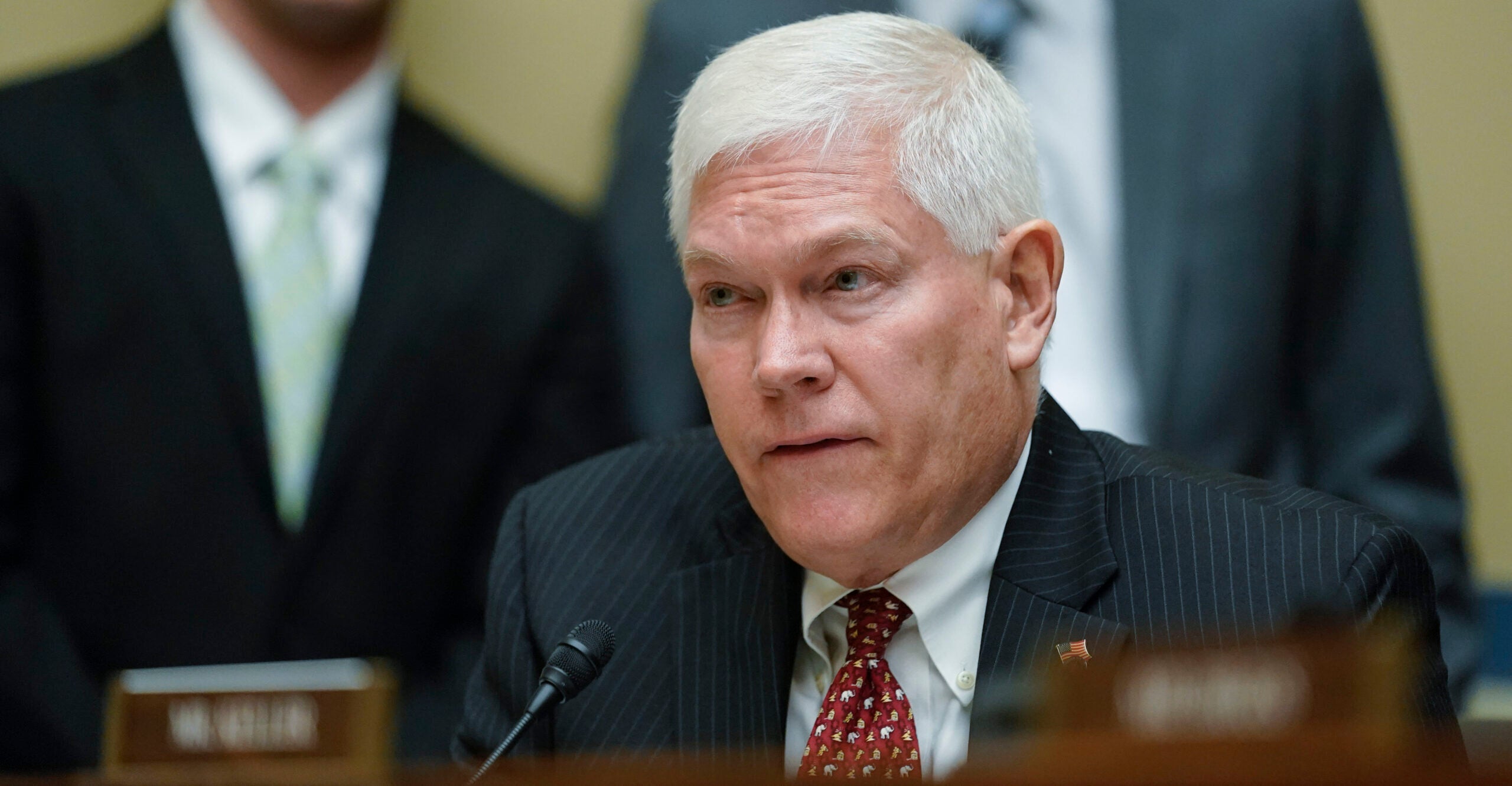
House Oversight Subcommittee on Government Operations Chairman Pete Sessions, R-Texas, is leading a Tuesday hearing titled “Curbing Federal Fraud: Examining Innovative Tools to Detect and Prevent Fraud in Federal Programs.”
The federal government loses between $231 billion and $521 billion in taxpayer dollars each year to fraud, according to the Government Accountability Office.
Many of the problems occurred during the Joe Biden administration, which rushed out more funding from the Department of Health and Human Services, the Department of Veterans Affairs, and other agencies, Sessions said.
“In HHS, VA, and other agencies, the Biden administration increased the amount of money available and the speed it went out, which is only an inducement for fraud,” Sessions told The Daily Signal.
Sessions said a key problem in preventing fraud has been the “pay and chase” method, meaning that the government detects fraud after it pays out the benefits, and then pursues the money.
“The name of the game is to stop the fraud before it starts, because once the money is paid out, it is almost impossible to get it back,” Sessions said.
The hearing is scheduled to begin at 2 p.m., and will include testimony on COVID-19 fraud from Ken Dieffenbach, executive director of the Pandemic Response Accountability Committee, an independent oversight committee within the Council of the Inspectors General on Integrity and Efficiency.
House members will consider how to transition the Pandemic Response Accountability Committee–which had a specific and narrow mission–into a more permanent body.
Also set to testify at the hearing are Renata Miskell, deputy assistant Secretary for accounting policy and financial transparency at the Department of Treasury’s Bureau of Fiscal Service; and Sterling Thomas, chief scientist at the Government Accountability Office, or GAO.
The Trump administration has pushed for more transparency and accountability in the executive branch in establishing the White House office known as the Department of Government Efficiency, or DOGE.
One of DOGE’s targets was the 18F program, a digital agency established in the General Services Administration during the Obama administration which was aimed at modernizing purchasing. The program built Login.gov, an authentication website for federal agencies.
However, inspector general reports found the program ignored information and security procedures. One report said the administration “misled their customer agencies” on Login.gov’s “noncompliance” with digital identity standards. DOGE closed down the 18F program earlier this year.
“Hundreds of millions of dollars were stolen or misdirected because of wrong addresses and wrong cell phone information,” Sessions said of the 18F program.