The bill for Paramount Skydance’s takeover of Warner Bros. Discovery is coming due.
On Monday, Fitch Ratings downgraded Paramount’s corporate and long-term borrower ratings from BBB-minus to BB-plus, pushing the company into junk territory following its agreement to acquire the larger rival.
The move reflects what Fitch says will be a combined net debt load of roughly $79 billion once the transaction closes.
In its statement, Fitch pointed to pressure from both the broader media environment and the structure of the deal itself:
“The downgrade reflects competitive pressures across the media sector” and pressure on free cash flow from transformation costs, Fitch said, adding that leverage and free cash flow may take longer than anticipated to improve.
At approximately $110 billion in total value, Paramount’s bid ranks among the largest media mergers ever attempted. The offer includes $31 per share in cash and significant regulatory-related termination costs tied to the collapse of Netflix’s previous negotiations.
Netflix’s withdrawal changed the game. As previously reported, the company stepped away from talks, stating that matching Paramount Skydance’s latest offer was “no longer financially attractive.” That decision cleared the path for David Ellison’s Paramount group, which had been pressing for the full Warner Bros. Discovery portfolio, including linear television assets such as CNN and TNT Sports.
Paramount did not inherit this position. It bid into it.
The Left’s Tantrum Over the Paramount Acquisition Is Really Exposing Their ‘Privilege’
That decision now carries leverage. Fitch has placed the company on negative watch pending further details on financing and deleveraging plans. Moving from the lowest investment-grade tier into junk status raises borrowing costs and tightens refinancing flexibility at the very moment integration risk is highest.
Markets reacted accordingly. Shares of Paramount Skydance slipped early Monday, while Warner Bros. Discovery ticked modestly higher.
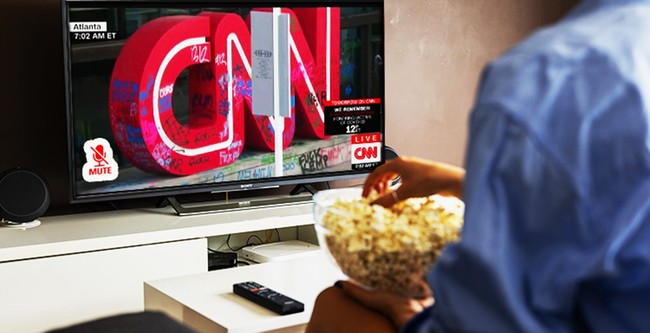
The debt adds another layer of risk to an already consequential acquisition. The proposed takeover would reshape control over Warner Bros. Studios, HBO, and CNN.
At CNN, the reaction was immediate. Chief Mark Thompson sent a memo to staff urging them not to “jump to conclusions” and to stay focused while the deal works through the regulatory process. The note came amid speculation that new ownership might mean new editorial guardrails. Warner Bros. Discovery CEO David Zaslav acknowledged internally that Paramount’s win over Netflix “feels a little whiplashy,” and suggested the transaction could take six months to close.
Nerves frayed inside the newsroom. After Paramount took control of CBS News last summer, the company settled a lawsuit filed by President Trump against “60 Minutes.” Ellison later installed a Republican ombudsman at CBS and brought in Bari Weiss as editor-in-chief. For some inside the industry, those moves were treated less as management decisions and more as proof that the editorial sky might be falling
For now, however, the immediate question is financial.
Can Paramount comfortably service the debt it has taken on?
Fitch’s downgrade does not end the deal, but it narrows the margin for error. In an industry already strained by streaming saturation, advertising volatility, and the erosion of legacy cable revenues, that margin may determine whether this becomes a landmark acquisition or a cautionary one.
Editor’s Note: RedState isn’t just your go-to source for politics and news – we cover culture, sports, and nature too.
Become part of the RedState team. Join RedState’s VIP and use promo code FIGHT to get 60% off your membership today.