

Long-standing regulations mean the United States may not be able to compete with Chinese critical mineral production despite the recent discovery of 328 years’ worth of lithium stretching across the Appalachian Mountains.
In April, the United States Geological Survey estimated 2.33 million metric tons of extractable lithium lay underneath multiple Appalachian states. Red tape and lacking infrastructure could thwart the find’s promised economic potential, analysts told the Daily Caller News Foundation.
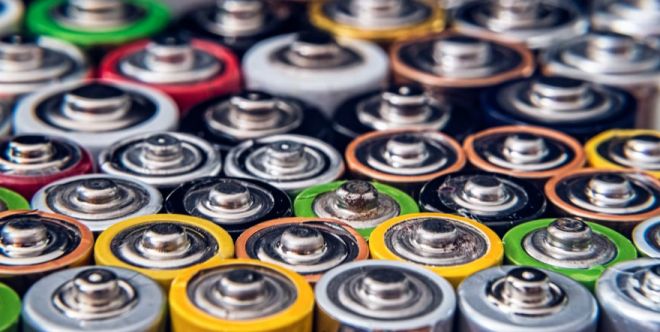
Lithium is a critical resource essential for rechargeable batteries, including those used in electric vehicles, portable electronics such as laptops and phones, and electrical grid storage. Chinese companies presently account for two-thirds of worldwide lithium battery processing capacity.
“We have simply made it too difficult to permit a mine here in the United States and that must change. If China wants a new mine, they can open one tomorrow. But it takes 29 years to bring a mine online in the U.S. – the second longest timeline in the world; that’s not sustainable,” a National Mining Association (NMA) spokesperson told the DCNF when asked about mining prospects for the Appalachian deposits.
Only Zambia takes longer to permit mining projects, according to an S&P Global Analysis.
“It’s important to acknowledge how much has been done under this administration to support domestic mining projects, including lithium projects. It’s clear the administration wants to see shovels in the ground on new projects, they want to see job creation, they want real progress in addressing our supply chain challenges and mineral dependence on China,” the NMA spokesperson continued.
The Trump administration has used statutory revision to deregulate, notably rescinding the Obama-era endangerment finding that enabled federal regulation of carbon emissions, but these actions have not been codified by Congress. Though the House of Representatives passed the Standardizing Permitting and Expediting Economic Development Act in December 2025 to reform the National Environmental Policy Act, the legislation has stalled in the Senate.
“We have to move — and we have to move quickly — on a range of issues to make U.S. mining competitive and come up with permitting solutions,” NMA responded when asked what policies were needed to streamline mine permitting. “That means: addressing existing redundancies in the permitting process; setting firm timelines for reviews to be completed and transparency into the process; limiting litigation timelines that are being used to obstruct projects indefinitely; and more.”
Any company aiming to exploit the lithium resources will have to contend with varying state regulations and seek permits for multiple mines.
“While the USGS makes it sound like this stuff is all concentrated in a single discrete resource, the fact is that it is scattered across the entire Appalachian region, from South Carolina through Maine,” energy industry veteran David Blackmon told the DCNF. “That means you’d have to permit a whole series of mines to exploit the resource, and doing that would take decades. Once permitted, it can take 10-15 years before first production begins.”
Advancements in battery technology could also dramatically reduce lithium’s value by the time new Appalachian mines are operational.
“As a practical matter, it will be years before any of this is produced, if it ever is produced. In fact, the battery industry could be operating on a completely different kind of battery by the time any of this is even permitted to be mined,” Blackmon continued. “Lighting-ion tech is so limited and problematic that an array of alternatives are under development. Solid state, liquid metals, sodium ion, etc. Most folks think there will finally be a real breakthrough in the next decade.”
Content created by The Daily Caller News Foundation is available without charge to any eligible news publisher that can provide a large audience. For licensing opportunities of our original content, please contact [email protected].