I’m not from Texas, and until recently, I had never heard of the “Texas Railroad Commission.” Like many, I assumed it managed trains or transportation. It was originally established in 1891 to regulate the state’s railroads, which is how it got its name. However, this agency has not regulated railroads in decades. It now oversees oil and natural gas in Texas, which produces about 40 percent of America’s crude oil and a quarter of its natural gas. The nation’s energy supply depends on three elected commissioners who make key decisions on drilling, production, pipeline safety, plugging old wells, and enforcing environmental standards.
While attention is focused on the Senate, governors, and control of Congress, as it should be, this seat could have major impacts on the nation.
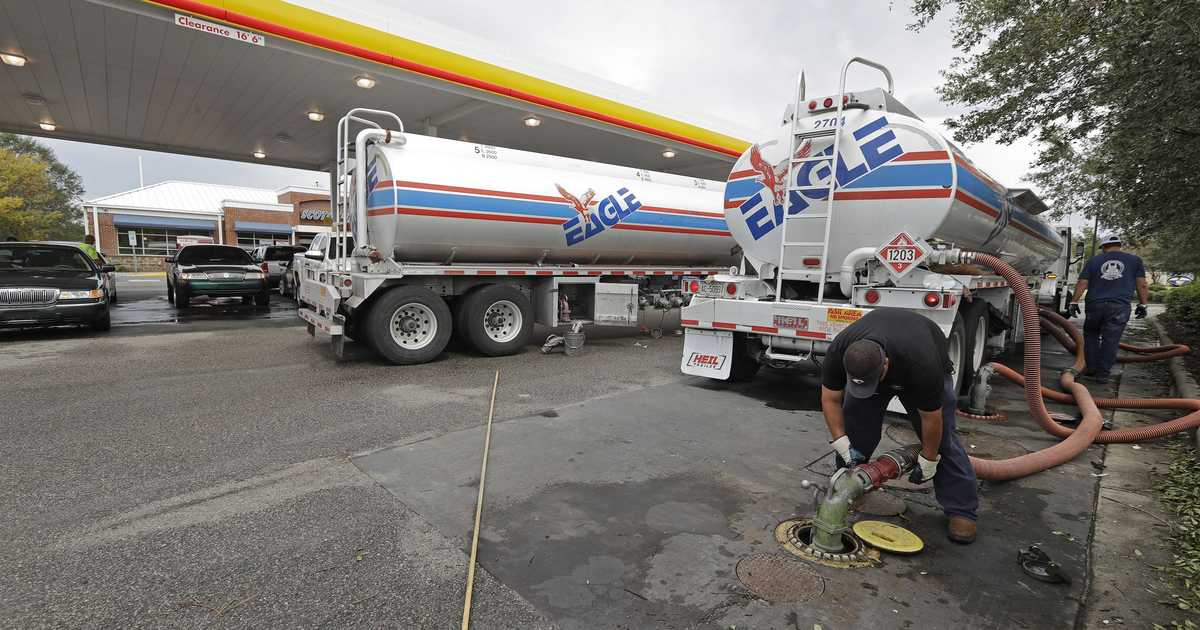
Energy costs set the foundation for the price of nearly everything in America. Diesel prices influence the cost of bread. Natural gas prices affect fertilizer, which impacts the cost of corn and beef. The strength and reliability of the power grid determine whether American manufacturing can keep everyday items affordable for families.
Keeping manufacturing at home, rebuilding our defense industry, and competing with China require a dependable supply of affordable energy. The rules governing production matter because they influence whether companies invest, expand, and hire here.
The America First approach to energy is that it should be abundant, affordable, reliable, and made on our soil. Producing at home keeps jobs, the tax base, the supply chain, and strategic leverage here. Domestic production does not shield us from every global price increase. But it gives us more options when supplies are disrupted and keeps more of the economic benefits here at home.
Europe found this out the hard way in 2022, when Russia’s invasion of Ukraine and cuts to gas supplies exposed the risks of being overly dependent on a foreign supplier.
The Railroad Commission helps shape the conditions for energy investment here. Its permitting, safety requirements, and enforcement affect the cost and predictability of operating in Texas. Those decisions have substantial impact across an industry that supplies the entire country.
No one seriously thinks we should have no rules. Well integrity, pipeline safety, and the problem of orphan wells are real issues. When operators fail to meet their responsibilities, landowners and communities can be left dealing with the consequences. Effective enforcement protects those communities and holds operators accountable.
But every regulation comes with a cost, and three things about those costs often get overlooked.
Compliance costs hit smaller operators harder. A large company can spread legal, reporting, and administrative expenses across a much bigger operation. A family operator running a handful of wells has fewer resources to absorb those same costs. Regulators should account for that difference without giving anyone a pass on safety.
Additionally, one-size-fits-all rules take local nuances out of the equation. Texas spans more than 268,596 square miles with different terrain, climates, and environmental factors throughout. Requirements should reflect those differences to better fit risk. Operators and landowners who have lived and worked in those local conditions should have a voice in that process.
Uncertainty is a cost on its own. Companies make investment decisions years in advance. Before a producer spends money on a project, they need definitive instructions on how rules will apply, expected time for permit approval, and how they can expect those rules to be enforced consistently. If these processes aren’t in place, permit requirements can be subject to changes in the middle of a project, causing approvals to lag and costs to rise.
So the goal isn’t just more or less regulation. It’s having rules that are clear, consistent, enforced, and based on real risks.
That is why the experience of the next commissioner matters.
Bo French spent a decade as an energy trader and comes from a family with more than 80 years in the oil business. As a rancher and mineral owner, he has also dealt directly with operators working on his property.
That background gives him experience with several sides of the industry this office regulates. Energy trading requires grasping markets and how changes in supply affect business decisions. Mineral ownership brings firsthand exposure to production, property rights, and the responsibilities operators have to landowners.
Experience alone does not settle every policy question. But commissioners have to assess technical information, weigh competing interests, and understand how a rule will work outside a hearing room. Demonstrated success with the industry is a perfect first step to ensuring a commissioner is right for the job.
French’s priorities match the America First agenda: adjusting 2025’s environmental rules so they don’t hurt small operators, tailoring requirements to local conditions instead of using a single statewide standard, stopping foreign adversaries like China from taking over Texas energy assets, and making sure agency contracts go to the most qualified.
That is what America First should mean in this office: the ability to develop American resources while meeting the responsibilities that come with producing them. Affordable energy depends on investment and reliable supply. Public confidence depends on knowing that safety and property rights will be taken seriously.
Texans will choose the next commissioner, but the consequences will reach beyond Texas. An agency overseeing such a large share of American oil and gas production needs leadership that understands both the industry and its obligations to the public.
Families and businesses across America will feel the consequences if Texas gets this wrong.
Ashley Hayek is the President of America First Works and former National Coalitions Director for the Trump 2020 campaign.
Editor’s Note: Do you enjoy RedState’s conservative reporting exposing the radical left and woke media? Support our work so we can keep bringing you the truth.
Join RedState VIP and use promo code FIGHT to receive 60% off your membership.